Rough Hand Drawn Star of David Graphic Reviewed
When you work with machine embroidery design day in and day out, you develop a gut feeling about which graphics will stitch out cleanly and which ones will give you headaches. I have been digitizing, stitching, and selling embroidered products for over a decade, and I have learned to read a design the way a tailor reads a bolt of fabric. The Rough Hand Drawn Star of David Graphic caught my attention immediately, not because it is flashy or intricate, but because it carries a personality that many polished vector files lack. Let me walk you through what this design actually offers when you move it from the screen to the hoop.
First Impressions: A Design with Texture and Soul
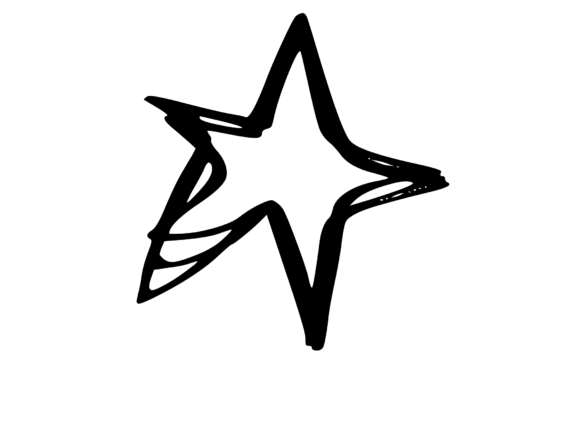
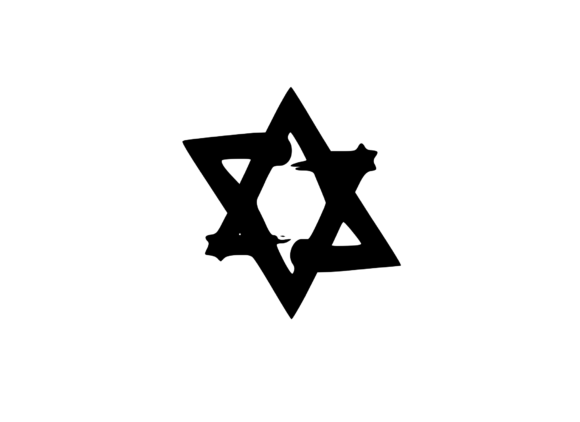
Opening the Rough Hand Drawn Star of David Graphic, the first thing I noticed was the deliberate imperfection. This is not a sterile, mathematically perfect star. The lines have a slight wobble, the corners are not razor sharp, and the overall shape feels like it was sketched by hand with a pencil or a fine marker. That rough quality is exactly what makes it appealing for certain embroidery projects. It brings warmth and humanity to a symbol that can sometimes feel rigid or overly formal when rendered with perfect geometry.
The mood here is grounded, honest, and slightly artistic. It does not shout for attention, but it holds presence. For designers and crafters who work with custom apparel, handmade products, or personalized gifts, this graphic offers a way to include the Star of David without making the finished piece feel mass-produced. The rough hand drawn style tells the viewer that someone cared enough to make it by hand, even if the actual stitching happens on a machine.
In terms of layout, the design is a single clean shape, which means it will read well at a distance and hold its identity even when scaled down. The detail level is moderate, with enough interior openness to allow fill stitches or satin stitch outlines to shine. This is not a dense, highly detailed illustration, which is a relief for those of us who have wrestled with overly complex embroidery files that turn into thread nests.
Real Use Case: Custom Embroidered Tote Bags for a Small Shop
Let me paint a picture of how I actually used this graphic. A client runs a small boutique that sells handmade canvas tote bags, aprons, and kitchen towels. They wanted a simple, meaningful design that could appeal to customers looking for Jewish heritage gifts, holiday items, or everyday accessories with cultural significance. I recommended the Rough Hand Drawn Star of David Graphic because it felt approachable, not overly religious or formal, and could work on multiple product types.
We started with a natural cotton tote bag. The rough hand drawn lines translated beautifully into a satin stitch outline with a medium weight thread. The slight wobble in the original vector actually helped the stitching look more organic, as if it had been drawn directly onto the fabric. The fill stitch inside the star used a warm gold thread, which contrasted nicely against the raw cotton. Customers responded well because the design did not look like a generic clip art star. It looked like something an artist had made, which added perceived value to a simple tote bag.
We also tested it on a cream colored sweatshirt using a navy thread. The same rough quality gave the garment a modern, handcrafted feel that fit right in with current trends in boutique apparel. The design scaled easily from a four inch width for a small chest logo down to a two inch version for a cuff or pocket detail. That flexibility is rare in hand drawn style graphics, and it made the Rough Hand Drawn Star of David Graphic a workhorse in our production run.
How It Performs Across Different Embroidery Projects
I have run this design through several embroidery file formats and tested it on a variety of substrates. Here is what I found.
- Custom apparel: On t-shirts, sweatshirts, and hoodies, the design stitches cleanly with minimal distortion. The rough edges actually help hide minor registration issues that can occur on stretchy knits.
- Tote bags and aprons: The open shape allows the fabric to breathe, so you do not get puckering around dense stitch areas. This is a strong choice for midweight canvas and twill.
- Baby clothes and nursery decor: At smaller sizes, the hand drawn quality remains readable. A two inch version on a baby onesie or a small pillow cover works well because the shape is simple enough to avoid looking messy at that scale.
- Patches: This graphic makes an excellent embroidered patch. The rough outline gives the patch a vintage, hand sewn character that stands out against mass-produced alternatives.
- Caps and hats: Curved surfaces can be tricky, but because the design has no tiny corners or ultra fine details, it curves with the cap without distorting the symbol.
- Holiday and gift products: For Hanukkah gifts, wedding presents, or bar and bat mitzvah merchandise, this design feels personal without being overly sentimental. It fits well on tea towels, pillow covers, and blankets.
Where to Exercise Caution
No design is perfect for every situation, and I would be doing you a disservice if I did not point out where the Rough Hand Drawn Star of David Graphic might need extra attention.
- Small hoop sizes: If you are working with a hoop smaller than four inches, test the design on scrap fabric first. The rough lines can start to look like stitching errors if scaled too small, especially on fabrics with a loose weave.
- Textured fabrics: On high pile fleece, thick sweaters, or boucle, the hand drawn wobble can blend into the texture and lose definition. Use a stabilizer with more body to keep the stitches crisp.
- Stretchy fabrics: Lightweight knits and jersey can cause the rough edges to pull unevenly. A cutaway stabilizer and a slower stitch speed will help maintain the intended shape.
- Dark fabrics: If you stitch this design on black or navy, choose a thread color with high contrast. The rough style needs clear visual separation to read as deliberate rather than sloppy.
- Products that need frequent washing: Because the design has open areas, the stitches are not as densely packed as a full fill. This is fine for most items, but for kitchen towels or baby bibs that see heavy washing, use a quality stabilizer and consider a backing layer.
Visual Appeal and Customer Perception
One of the biggest factors in selling embroidered products is how the design makes the customer feel. The Rough Hand Drawn Star of David Graphic performs well here because it strikes a balance between familiar symbolism and artistic expression. When a customer sees a product with this design, they do not see a generic star. They see something that looks handmade, which in the world of craft business and Etsy selling is a major advantage.
For small shop owners and creative entrepreneurs, this design helps build brand consistency if you lean into the hand drawn aesthetic across your product line. It also photographs well for Etsy listings and printable mockups because the shape is bold enough to read on a phone screen. In terms of gift appeal, the rough quality makes the item feel more personal, which is exactly what buyers look for when purchasing a personalized gift for a holiday, wedding, or life milestone.
Professionally, this design signals that you care about the details. It does not look like a quick vector trace. It looks like an artist’s work, and that translates directly into customer trust and willingness to pay a premium for a handmade product.
Practical Designer Notes Before You Stitch
Before you load this into your embroidery machine, here are a few steps I recommend based on my own testing.
- Test on scrap fabric first. Run a small sample on the exact fabric you plan to use. Check the stitch density and see how the rough edges behave at your chosen size.
- Review thread color contrast. The hand drawn style relies on clean visual separation. Light thread on dark fabric or dark thread on light fabric works best. Avoid mid tones that blend into the background.
- Check hoop size compatibility. Confirm that the design fits your hoop with enough margin for stabilizer and fabric movement. Do not crowd the hoop edges.
- Inspect small details. If you scale the design down, zoom in on the digitizing software and make sure the rough lines have not become too narrow or uneven for your machine to handle.
- Test in black and white mockups. Before committing to thread colors, look at the design in grayscale. This helps you see if the shape remains readable without color contrast.
- Compare light and dark fabric backgrounds. Stitch a sample on both a light and a dark fabric. The same design can look dramatically different depending on the background value.
- Use proper stabilizer. For most applications, a medium weight cutaway stabilizer will give you the best results. For stretchy or lightweight fabrics, use a heavier stabilizer or a second layer.
- Confirm licensing before selling. The product description states that this graphic is a great choice for artists, designers, and crafters, and that you can use it to decorate or craft with. However, always verify the specific license terms for commercial use, especially if you plan to sell finished products or include the design in digital product previews. If you are an Etsy seller or run a small shop, protecting yourself with proper licensing is non-negotiable.
Final Thoughts on the Rough Hand Drawn Star of David Graphic
This is not a design that tries to impress you with complexity. It impresses you with character. For embroidery designers, small business owners, and makers who want their finished products to feel authentic and thoughtful, the Rough Hand Drawn Star of David Graphic delivers exactly what the name promises. It looks like a hand drawn sketch, and that quality carries through every stitch.
Whether you are producing custom apparel for a boutique, creating embroidered patches for a craft fair, or building a line of personalized gifts for your Etsy shop, this graphic gives you a solid foundation. It works across fabric types, scales reasonably well, and most importantly, it connects with buyers on a visual and emotional level. In the world of Crafts and Graphics, finding a design that feels both personal and professional is rare. This one earns a spot in my active files, and I expect it will earn one in yours too.