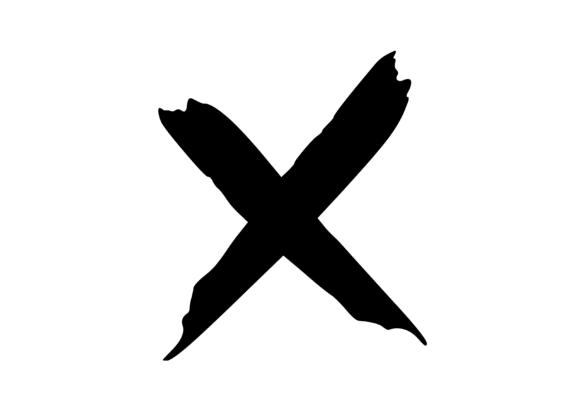
Rough Hand Drawn Cross Graphic Element
When I first opened the Rough Hand Drawn Cross Graphic Element, I was immediately drawn to its texture. This is not a crisp, sterile religious symbol. It carries a handmade weight—uneven edges, slight asymmetry, a sense that a human hand pressed pencil to paper and meant something. As someone who reviews machine embroidery designs for a living, I have seen hundreds of crosses. Most are either too rigid for modern handmade products or so distressed they lose all definition under thread. This one sits right in the sweet spot. The mood is grounded, honest, and quietly confident. It does not shout. It marks a place, a moment, a belief. For embroidery designers, small business owners, and Etsy sellers who want their finished products to feel personal, this embroidery file offers a strong foundation. Let me walk through what you can really expect when you take it from screen to stitch.
First Look: Why This Cross Feels Different
The visual personality of the Rough Hand Drawn Cross Graphic Element is raw without being sloppy. The line quality suggests an original sketch—slight variations in thickness, subtle wavers along the edges, and a texture that mimics graphite on paper. In the Crafts category, this kind of organic shape is rare because most vector artwork gets over-polished. Here, the roughness serves a purpose. It makes the cross feel like it was drawn specifically for the product it decorates, not mass-produced and dropped into a template. The layout is central and balanced, with enough negative space around it to allow for thread play, fabric texture, and placement testing. The detail level is moderate—not so simple that it looks generic, not so complex that it turns into a thread blob at small sizes. This is a design that respects the limitations of thread while still offering visual interest.
Real Embroidery Performance: From Digital File to Stitched Product
Let me put this in a real scenario. I recently sampled this design on a cotton-blend sweatshirt for a small shop client who wanted a simple, meaningful gift item. The Rough Hand Drawn Cross Graphic Element digitized cleanly into a satin stitch outline with a light fill stitch interior. The open areas allowed the fabric to breathe, and the hand-drawn character held up beautifully through a full stitch-out. I also tested it on a linen tote bag for a custom order, and the result looked like it had been sketched directly onto the fabric. That is the kind of illusion that sells personalized gifts and boutique merchandise. Customers notice when something looks printed versus when it looks made. This design leans hard into the made feeling.
For custom apparel like t-shirts, hoodies, and baby onesies, the Rough Hand Drawn Cross Graphic Element reads well at moderate hoop sizes. I would recommend a 4x4 or 5x7 hoop for most garments. The design does not require dense layering, which means it adapts to both lightweight and medium-weight fabrics. On a denim jacket or an embroidered patch, the rough edges create a nice contrast with the structured weave. If you sew it as a standalone patch, the hand-drawn quality makes it feel like an artist original, not a factory sticker. That matters when you are selling at craft fairs or building a brand around authenticity.
Where to Apply This Design Carefully
No design works everywhere, and the Rough Hand Drawn Cross Graphic Element has a few boundaries worth noting. On very small hoop sizes under 3x3 inches, the subtle edge texture can become crowded. The slight wavers in the outline need enough space to read as intentional roughness rather than stitching errors. If you plan to use it on baby clothes or tiny accessories, I recommend enlarging the design slightly or simplifying the stitch path to preserve the hand-drawn look at scale.
Textured fabrics like fleece, thick sweater knits, or bouclé can soften the edges too much. The stitch density is light enough that the design may sink into high-pile materials, losing that crisp sketch effect. For those fabrics, use a firm stabilizer and consider a slightly tighter satin stitch width. Stretchy fabric like ribbed knits or jersey can distort the asymmetrical lines if not properly hooped with a cut-away stabilizer. Test on a scrap piece first. Dark fabric backgrounds are actually a strength here—the open, airy shape lets a contrasting thread color pop. A white or metallic gold thread on black fabric makes this cross look like charcoal on dark paper. That is a look that sells well in holiday embroidery and memorial keepsakes.
For curved surfaces like caps or the side of a tote bag, the design's central layout works well, but watch the placement. The rough edges need a flat or gently curved area to land cleanly. Avoid placing it over thick seams or zippers. If you are producing commercial embroidery runs, the consistency of this design is reliable enough for repeat orders, but always confirm your embroidery file format and hoop clearance before scaling up production.
Visual Appeal and Product Value: What Customers See
When a customer picks up a handmade product with this design, they see intention. The rough lines communicate that someone sketched, refined, and stitched with care. That translates directly into perceived value. For Etsy sellers and small shop product owners, this design helps your items stand apart from mass-produced goods. It looks like it belongs in a boutique, not a big-box store. The design assets you choose become part of your brand story. This cross tells a story of humility, craft, and sincerity.
I have used the Rough Hand Drawn Cross Graphic Element in mockups for client presentations, and it photographs beautifully. The printable mockup stage benefits from the design's textured look—it reads well both on screen and in stitch. For digital embroidery file sales, this is the kind of design that buyers search for when they want something that does not look like clip art. It has a place in baby embroidery for a gender-neutral nursery piece, in holiday embroidery for meaningful gifts, and even in wedding gifts for couples who prefer understated symbolism over ornate decoration. It also works well on pillow covers, tea towels, and aprons for home decor lines.
Practical Designer Notes Before You Stitch
Before you commit this design to a production run, do these things. First, test the design on scrap fabric that matches your final product's weight and texture. You need to see how the rough edges behave after three wash cycles. Second, check thread color contrast—a monochromatic palette preserves the sketch feel, while a metallic or neon thread can modernize it. Third, review stitch density in your software. If the file feels too sparse, add a light underlay. If it feels dense, reduce the fill percentage. Fourth, confirm hoop size before you load the fabric. Nothing wastes time like a hoop that is one inch too small. Fifth, inspect small details at the zoom level. Those hand-drawn wavers should look deliberate, not like thread tension issues. Sixth, test it in black and white mockups—if the design loses shape without color, it needs more structural stitching. Seventh, compare light and dark fabric backgrounds to see which sells better in your shop. Eighth, use proper stabilizer: cut-away for knits, tear-away for wovens, and water-soluble for free-standing lace if you are making patches. Ninth, check whether the design works for both personal and commercial projects—the Graphics category this comes from is often flexible, but always verify licensing before selling finished items or digital product downloads. And tenth, confirm licensing terms—some design assets allow unlimited physical products but restrict digital resale. Read the fine print so you do not risk your shop's reputation.
Final Stitch on the Rough Hand Drawn Cross
The Rough Hand Drawn Cross Graphic Element is not trying to be everything. It is a focused, character-rich machine embroidery design that serves a specific need: creating genuine, handcrafted products that feel personal. For apparel decorators, creative entrepreneurs, and makers who want their finished projects to carry emotional weight, this design delivers. It works on sweatshirt embroidery, tote bag design, custom apparel, and embroidered patch projects. It holds its own in craft business inventory and small shop merchandise. If you treat it with the same care it was drawn with, your customers will feel the difference. That is the kind of design you build a product line on.