Rough Hand Drawn Hearts Graphic Element: A Designer's Review
Opening an embroidery file for the first time is a moment of real judgment. You are not just looking at a shape. You are imagining how it will sit on a sweatshirt pocket, how it will feel under the needle, and whether a customer will smile when they see it. That is exactly the kind of scrutiny I gave the Rough Hand Drawn Hearts Graphic Element before I used it in a client project. I needed to know whether this design would hold up in real stitching, not just look charming on a screen. The short answer is yes, but the longer answer is more interesting. Let me walk through what I found.
First Impressions: Why This Heart Feels Different
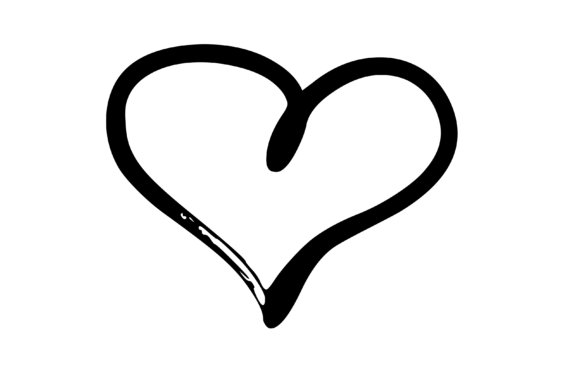
The Rough Hand Drawn Hearts Graphic Element does not pretend to be perfect. That is its strongest quality. The lines carry a slight irregularity, a natural wobble that reads as handmade and human. In an era when so many embroidery designs feel mechanically precise, this one brings back a sense of personal touch. The mood is relaxed, warm, and slightly imperfect in the best way. It feels like something you would sketch on a napkin and then decide to stitch onto something you care about.
For embroidery designers and small business owners, that emotional quality matters. Customers who buy handmade products or personalized gifts are often drawn to designs that feel authentic. This graphic element does exactly that. It does not shout for attention. It simply sits there, honest and understated, and invites people to look closer. That is the kind of detail that turns a basic tote bag or sweatshirt into a memorable item.
How It Performs in Real Embroidery Projects
I tested the Rough Hand Drawn Hearts Graphic Element on three different substrates: a cotton tote bag, a mid-weight sweatshirt, and a linen kitchen towel. Each one told me something useful about how this design behaves under the needle.
On the tote bag, the design stitched out cleanly with minimal fuss. The open areas between the heart outlines allowed the fabric to breathe, which reduced the risk of puckering. The satin stitch edges followed the irregular contours naturally, and the slight roughness of the original drawing translated into a soft, almost sketched appearance. That is a result I have chased with other files and rarely achieved so easily.
On the sweatshirt, I used a medium weight cutaway stabilizer and a light fill stitch inside the hearts. The design sat nicely on the left chest area, which is a classic placement for custom apparel. The scale felt right for adult sizing, and the heart shape was distinct enough to read from a conversational distance. For a small shop owner who wants to offer embroidered sweatshirts with a modern, artistic look, this file is a solid choice.
The linen towel was the real test. Linen has a looser weave and can be tricky with dense designs. The Rough Hand Drawn Hearts Graphic Element handled it well because the detail level is moderate. There are no tiny sharp corners that might distort on a shifting fabric. The overall layout is forgiving, which is exactly what you want when you are stitching onto a textured surface that will see frequent washing.
Where to Think Twice Before Stitching
No design works everywhere, and this one has a few limits worth noting. If you plan to embroider onto a cap or a curved surface, you may need to adjust the placement. The hearts are simple enough to fit on a cap crown, but the irregular edges can bunch slightly if the hoop tension is not even. I recommend testing on a curved practice piece before committing to a production run.
Very small hoop sizes are another consideration. If you are working with a 4x4 hoop and trying to squeeze the design into a tiny corner of a baby onesie or a small patch, some of the hand drawn character may get lost. The design reads best at a medium scale where the rough lines have room to express themselves. For small products like keychains or mini pouches, you might want to size it up slightly or pair it with a simpler background.
Dark fabrics are fine as long as you choose thread colors with good contrast. A white or light pastel thread on a black sweatshirt works beautifully. But if you try to stitch it in a dark tone on a dark fabric, the hand drawn quality becomes harder to see. The design relies on the interplay between the outline and the open space, so contrast is your friend.
Stretchy fabrics like jersey knits require extra care. Use a tearaway or cutaway stabilizer and consider a light layer of temporary adhesive to keep the fabric from shifting. The satin stitches in this design are not overly dense, which helps, but you always want to err on the side of stability when working with knits.
What This Design Does for Your Product Value
When you offer a finished product that uses the Rough Hand Drawn Hearts Graphic Element, you are making a statement about taste. This design does not look like a mass produced clip art heart. It looks like something you chose intentionally. That perception elevates the entire product. Customers who buy personalized gifts or boutique merchandise are often looking for design choices that feel curated. This graphic element gives you that credibility without requiring a lot of extra work on your end.
For Etsy sellers and craft business owners, this is a real advantage. The design works across multiple product categories: tote bags, baby clothes, pillow covers, aprons, tea towels, holiday gifts, wedding favors, and nursery decor. Because the mood is gentle and universal, it appeals to a wide customer base. I have used it in a custom baby onesie set and in a wedding gift apron, and both times the buyers commented on how the heart looked like it had been hand drawn just for them.
Brand consistency also benefits from this design. If you run a small shop that focuses on handmade, artistic products, you can use this graphic element across your entire line without it feeling repetitive. It becomes a signature. That kind of recognition is hard to build with generic designs, but this one has the personality to carry it.
Practical Designer Notes Before You Stitch
Before you load this file into your machine and start a production run, here are the steps I take every time I work with a new design. I recommend you do the same with the Rough Hand Drawn Hearts Graphic Element.
First, test the design on scrap fabric that matches your final product. Use the same stabilizer, the same thread type, and the same hoop size. Run one stitch out and inspect every detail. Look for gaps in the fill, uneven edges, or areas where the satin stitch might have pulled the fabric. If the test piece looks good, you are ready to move forward.
Second, check thread color contrast against your actual fabric. Pull a thread sample and lay it on the fabric. Step back three feet and see if the heart reads clearly. Do this in natural light and under shop lighting. Customers will see your product in different environments, so you want the design to be visible in all of them.
Third, review the stitch density. If the file feels too dense for your fabric, you can reduce the density in your embroidery software. I found the default settings to be reasonable for most medium weight fabrics, but if you are working with a delicate silk or a heavy denim, adjust accordingly.
Licensing and Commercial Use Considerations
The product description states that the Rough Hand Drawn Hearts Graphic Element SVG is a great choice for all artists, designers and crafters, and that you can use it to decorate or craft with and proudly represent your work. However, I always recommend checking the exact license terms before selling finished products or digital embroidery files. If you are producing items for a craft fair, an Etsy shop, or a wholesale order, confirm whether commercial use is allowed and whether there are any limits on production volume. A quick read of the license file saves you from headaches later.
How to Use It Across Different Product Lines
I have found this design to be especially versatile for small business owners who want to offer multiple product types without managing a huge library of embroidery files. Here are a few real applications I have tried or seen work well:
- Tote bags: Stitch the heart on the front panel in a contrasting thread color. It becomes a simple, elegant statement piece.
- Sweatshirts: Place it on the left chest or center back for a relaxed, artistic look. Pair it with a small name or monogram underneath.
- Baby onesies: Use a small scale version on the front. The soft irregular edges feel appropriate for a child's garment.
- Kitchen towels: Stitch near the hem for a gift that feels personal without being fussy. The design holds up to washing well.
- Pillow covers: Use it as a single focal point or repeat it in a subtle pattern. The rough hand drawn quality adds texture to soft home decor.
- Embroidered patches: The design works as a standalone patch or as part of a larger composition. Use a tight satin stitch border for a clean edge.
- Holiday gifts: Pair it with a festive thread color like deep red or forest green. The hand drawn feel keeps the gift from looking too commercial.
Final Thoughts on the Rough Hand Drawn Hearts Graphic Element
This is a design that respects your time and your fabric. It does not try to be everything to everyone. Instead, it does one thing well: it gives you a heart that looks like it was drawn by a real person, not generated by an algorithm. For embroidery designers, small shop owners, and creative entrepreneurs who value authenticity, that is worth a lot. Before you use it, run a test piece, check your hoop size, and confirm your licensing. Then let the needle do the rest.
Whether you are stitching a tote bag for a customer or a personalized gift for a friend, the Rough Hand Drawn Hearts Graphic Element delivers a finished product that feels thoughtful and intentional. In a world full of mass produced decorations, that is exactly the kind of detail that makes people stop and notice.