Mono Hand Made Number 4: Real-Use Embroidery Review
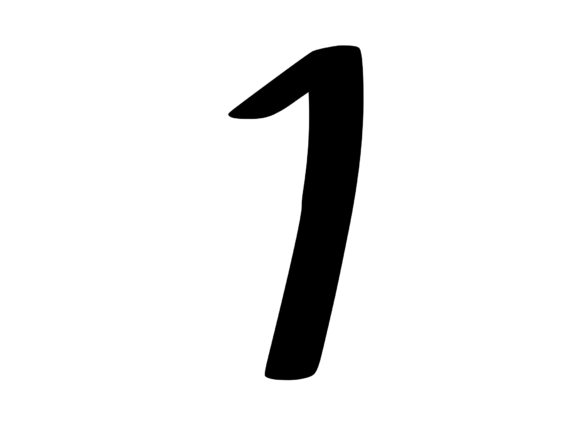
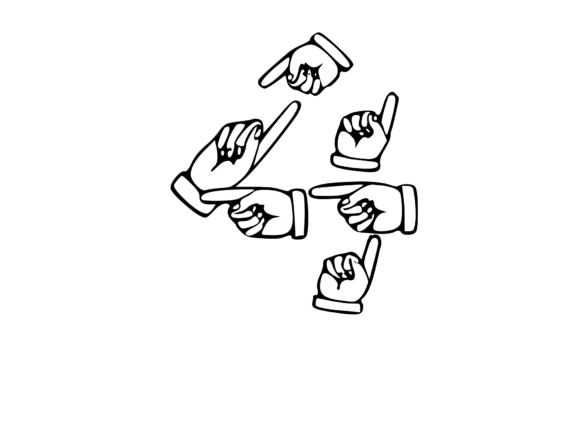
When a new embroidery file lands in my test folder, I usually spend the first few minutes just looking at it. Not at the technical specs or the file format, but at the mood it creates. Mono Hand Made Number 4 arrives with an immediate hand-drawn feel. The lines carry a slight irregularity, the kind of imperfection that reads as intentional rather than accidental. It is not trying to look like a perfect machine-produced number. It is trying to look like someone drew it by hand, and that distinction matters when you are designing products for customers who want something personal.
The First Impression: Raw, Hand-Drawn Energy That Connects
The shape of Mono Hand Made Number 4 has a natural looseness. The curves are not rigidly symmetrical, and the stroke thickness varies in a way that feels organic. This is not a number that will look cold or corporate on a finished product. It brings a sense of human touch right into the embroidery hoop. For designers working on baby gifts, boutique merchandise, or handmade shop inventory, that kind of visual warmth is hard to find in standard digitized fonts.
The theme here is clearly handmade authenticity. The layout is simple enough that the number stands alone without needing extra decorative elements. The detail level is moderate. It is not overly intricate, so it will stitch cleanly at reasonable sizes, but it has enough character to avoid looking generic. The visual personality leans casual, friendly, and slightly rustic. If I had to describe it in one sentence, it feels like something drawn on a chalkboard in a cozy coffee shop, not something typed on a computer.
Why This Design Works for Custom Apparel and Small Shop Merchandise
Mono Hand Made Number 4 belongs naturally in projects where the goal is to communicate individuality. Custom apparel is the most obvious fit. Sweatshirts, t-shirts, and hoodies with this number embroidered on the sleeve, chest, or back pocket would carry that handmade look that buyers in the boutique space actively seek. I can see it working beautifully on tote bags for a farm market brand or on aprons for a small bakery that wants to keep its identity warm and approachable.
For baby embroidery, the hand-drawn quality is a strong advantage. Parents buying personalized baby gifts often prefer designs that feel soft and personal rather than mass-produced. A onesie or baby blanket with Mono Hand Made Number 4 as a monogram or age number would read as thoughtful and deliberate. The same applies to nursery decor, pillow covers, and tea towels. The Crafts category that this design belongs to is broad, and this number fits comfortably into home goods, gifts, and wearable items.
Real Scenario: Customizing a Tote Bag for a Client
A few weeks ago, I was preparing a set of personalized tote bags for a local shop that wanted hand-numbered editions of their product line. Each bag needed a number that felt individual, not stamped out by a machine. I tested Mono Hand Made Number 4 on a mid-weight cotton canvas tote in a medium hoop size. The satin stitch outline ran smoothly, and the slight variation in stroke width actually helped the number look like it had been drawn specifically for that bag.
The client immediately noticed the difference. Compared to a standard block number, this one had a more relaxed, collected feel. The finished product looked more like a piece of handmade art than a printed label. The shop sold through those numbered totes in two weekends at a craft fair. That is the kind of reaction that makes a design worth keeping in your active embroidery file library.
Where Mono Hand Made Number 4 Shines Best
This design performs well in several common embroidery applications. For small business owners selling on Etsy or at craft fairs, it is versatile enough to use across multiple product types. It works for:
- Custom apparel like sweatshirts, t-shirts, and denim jackets
- Tote bags and canvas pouches for boutique merchandise
- Baby onesies, bibs, and receiving blankets
- Embroidered patches for hats, bags, or jackets
- Kitchen towels and aprons for gift sets
- Pillow covers and nursery decor items
- Holiday gifts and personalized family items
- Small shop branding on tags or labels
The design reads clearly at moderate to large sizes. If you are working with a hoop size that allows the number to stand at least two inches tall, the detail will hold up well. The fill stitch areas, if present, are light enough that the fabric underneath does not become stiff. That is important for apparel that needs to drape naturally and for items that will be washed frequently.
Where to Use This Design with Caution
No design is universal, and Mono Hand Made Number 4 has its limits. In small hoop sizes, especially under one inch tall, the hand-drawn details may lose clarity. The subtle irregularities that look charming at a larger scale can become muddy or confusing when shrunk down. If you are planning to put this number on a cap curve or a small sleeve cuff, test it first on scrap fabric to make sure the character of the design survives the size reduction.
Textured fabrics like thick fleece, bouclé, or heavy knit can also interfere with the clean stitching of this design. The slight stroke variations need a stable surface to register properly. On stretchy fabrics like lightweight jersey or rib knit, use a cutaway stabilizer and consider a lightweight topping to keep the stitches from sinking into the fabric. Dark fabrics are fine as long as your thread color contrast is high. A light thread on dark fabric actually enhances the hand-drawn look because the slight stitch gaps show up more naturally.
Curved surfaces like cap fronts or cylindrical items like wine bags require careful hooping. The design itself is not overly dense, so it can flex somewhat, but extreme curves will distort the visual balance. For caps, center it carefully and use a firm stabilizer. For items that need frequent washing, like kitchen towels or baby bibs, make sure the stitch density is not too tight. Dense stitching can cause puckering on thin fabrics after repeated laundering.
How It Affects Product Value and Buyer Trust
The embroidery design you choose directly influences how customers perceive your finished product. Mono Hand Made Number 4 brings a level of handmade presentation that builds trust with buyers. When someone purchases a personalized gift or a boutique item, they are paying for the feeling that care went into making it. This number communicates that care without needing to explain it.
For Etsy sellers and small shop owners, using a design with distinct visual personality helps with brand consistency. If your shop sells baby gifts, home decor, or custom apparel with a consistent hand-drawn aesthetic, customers will recognize your work across listings. That recognition translates into repeat sales and word-of-mouth referrals. The design also works well for digital product sellers who offer printable mockups or design assets for other crafters. Its clean but organic look makes it a strong addition to any Graphics collection for creative entrepreneurs.
Giftability improves with this design as well. A personalized item with Mono Hand Made Number 4 feels intentional. Whether it is a first birthday onesie, a monogrammed tote for a bridal party, or a numbered holiday gift set, the finished product looks like it was made specifically for that recipient. That is exactly what buyers are looking for when they shop handmade.
Practical Designer Notes Before You Stitch
Before you commit this design to a client project or a production run, here are a few things I recommend checking:
- Test on scrap fabric first. Especially if you are using a fabric you have not worked with before. Run a sample and check how the stitch detail reads at your intended size.
- Check thread color contrast. The hand-drawn effect relies on visible stitch lines. Low contrast between thread and fabric will mute the character of the design.
- Review stitch density. If the design feels too dense for your fabric, consider using a lighter stabilizer or adjusting the density in your software if you have that option.
- Confirm hoop size. Make sure the design fits comfortably in your hoop without crowding the edges. Leave enough room for the fabric to move naturally.
- Inspect small details. At reduced sizes, zoom in and look for areas where the design might lose its intended shape. Small loops or narrow strokes can close up if stitched too small.
- Test in black and white mockups. Before stitching, look at the design in a simple black and white preview. This helps you see the structural integrity without color distraction.
- Compare light and dark fabric backgrounds. The design may read differently on white canvas versus black denim. Run a sample on both if you plan to offer multiple color options.
- Use proper stabilizer. For most woven fabrics, a medium-weight cutaway stabilizer works well. For knits, use a cutaway with a bit more stability. Tearaway may be fine for stable fabrics but can cause distortion on stretchy materials.
- Check licensing for commercial use. If you are selling finished items or offering this design as a digital product, confirm the license terms. Mono Hand Made Number 4 is listed under Crafts and Graphics, but always verify whether commercial use is included before producing for sale.
Thread Choice, Fabric Matching, and Stabilizer Strategy
Thread choice matters more with this design than with a standard block number. Because the hand-drawn look depends on visible stroke variation, a solid metallic or variegated thread can actually enhance the effect if used carefully. I recommend testing a variegated thread on a light fabric to see if the color shifts add to the handmade feel or distract from it. For most projects, a standard 40-weight polyester thread in a solid color will give the cleanest result.
Fabric matching is about texture as much as color. Smooth fabrics like cotton poplin, linen, canvas, and denim show the detail best. Textured fabrics like fleece or heavy sweater knit can soften the edges too much. If you are working with a textured fabric, increase your underlay slightly to help the stitches stand up. For dark fabrics, a white or light thread will make the hand-drawn quality shine. For light fabrics, a medium or dark thread with subtle contrast works better than black, which can feel harsh.
Stabilizer strategy should be based on the fabric weight and stretch. For tote bags and canvas aprons, a medium-weight cutaway is sufficient. For t-shirts and lightweight sweatshirts, use a cutaway with a soft finish so the backing does not irritate the skin. For patches, a heavy tearaway with a topping layer will keep the stitches crisp. Always hoop the fabric snug but not stretched, especially for knit fabrics where distortion can happen easily.
Final Thoughts on Using This Design for Commercial and Personal Projects
Mono Hand Made Number 4 is a design that earns its place in an active embroidery library. It is not a novelty that will feel dated after one season. The hand-drawn aesthetic has staying power because it taps into something buyers consistently value, the sense that a product was made with attention and personality. For crafters who want their finished products to stand out in a crowded marketplace, that kind of design asset is worth holding onto.
The design performs reliably across a range of common projects, from baby gifts and holiday decor to custom apparel and boutique merchandise. It asks for reasonable care during hooping and stabilizer choice, but it does not demand advanced skills to stitch well. For Etsy sellers, small shop owners, and handmade product creators, it offers a straightforward path to a more distinctive finished look.
As with any embroidery file, the real test is in the stitch-out. Run a sample, inspect the detail, and decide whether the scale fits your product. If it does, Mono Hand Made Number 4 will serve your projects well, whether you are making one personalized gift or a small production run for your craft business.