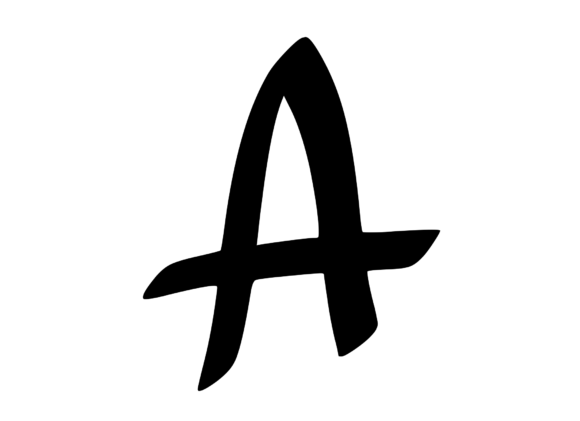
Graffiti Street Tag Mono Letter a: A Designer’s Real-World Embroidery Review
When I first opened the Graffiti Street Tag Mono Letter a file, I was immediately struck by its raw, expressive energy. This isn’t a dainty script or a corporate sans-serif. It’s bold, urban, and unapologetically loud. As someone who has tested hundreds of embroidery designs for everything from custom apparel to boutique home goods, I can tell you that a design like this either lands perfectly or misses hard depending on the project. After stitching it out on several substrates, I want to walk you through exactly how this Graphics product behaves in real embroidery work—what it does well, where it needs careful handling, and what kind of finished product it truly elevates.
First Impressions: Mood and Visual Personality
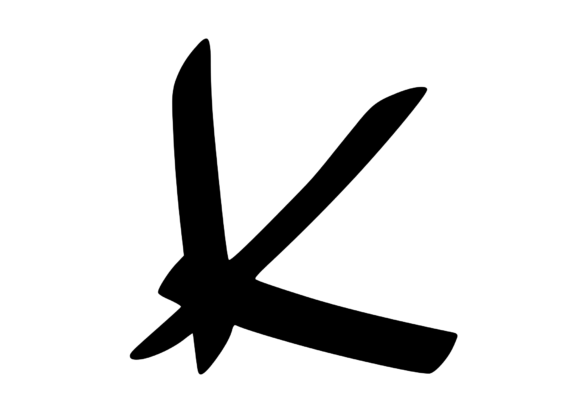
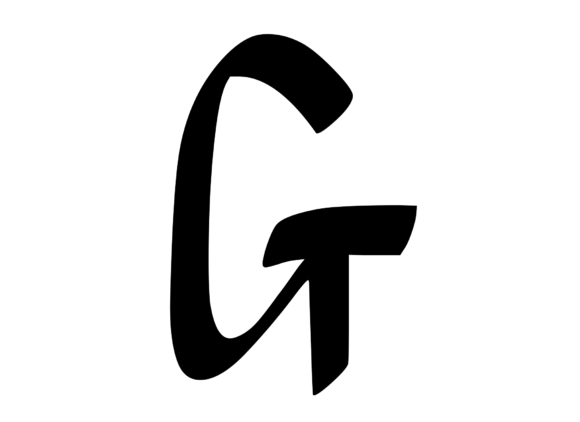
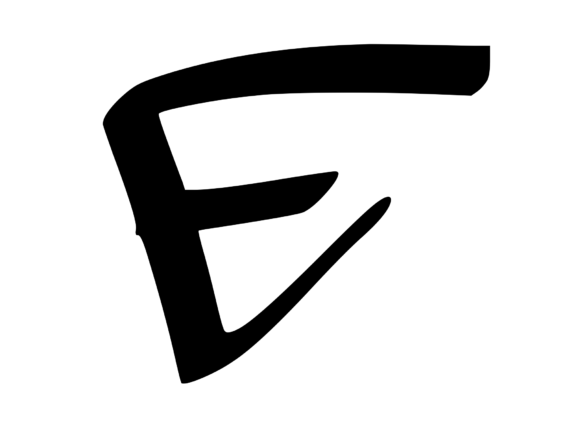
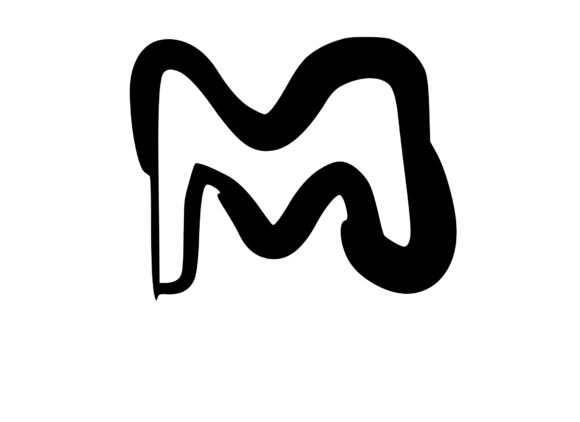
The Graffiti Street Tag Mono Letter a feels like it belongs on a skateboard deck, a streetwear drop, or a limited-run patch for a creative small shop. The letter itself carries that spray-paint, hand-tagged aesthetic—slightly uneven edges, a bit of attitude, and plenty of movement. The layout is a single mono letter, which makes it incredibly versatile for monogram work, initials, or short statements when combined with other letters from the same set. The detail level is moderate: not so dense that it feels heavy, but not so sparse that it looks cheap. The visual personality leans edgy, modern, and youthful. If your brand or customer base skews creative, alternative, or urban, this design will connect immediately.
What I appreciate is that the design doesn’t try to be overly polished. It embraces the hand-drawn, imperfect nature of street art. That authenticity is exactly what many embroidery projects lack when they try to replicate graffiti style using clean, digitized curves. This design retains the grit.
Real-Life Embroidery Performance Across Product Types
I stitched the Graffiti Street Tag Mono Letter a onto several common blanks to see how it holds up in practical use. Here is how it performed across different product categories.
Custom Apparel: Sweatshirts and T-Shirts
On a medium-weight cotton sweatshirt, the design stitched out cleanly. The fill stitch areas laid flat with minimal puckering, and the satin stitch outlines gave the letter a crisp edge that contrasts nicely with the rougher interior fills. On a standard t-shirt, I recommend using a cutaway stabilizer and a lightweight topping to prevent the fabric from pulling. The design’s moderate stitch density means it won’t distort thin knits too badly, but you should always test on scrap first. Thread color contrast is critical here—this design pops best on light or mid-tone fabrics. On dark fabrics, use a bright or metallic thread to maintain that street-art visibility.
Tote Bags and Aprons
I tested this on a cotton tote bag and a canvas apron. The results were excellent. The design’s bold shape reads well at a distance, making it ideal for promotional totes or boutique merchandise. On heavier fabrics like canvas, the Graffiti Street Tag Mono Letter a maintains its integrity without losing detail. I would use a medium-weight tear-away stabilizer here. The design sits nicely centered or offset for that modern asymmetrical look. For an aprons project, placing the letter on the chest pocket or lower hem works well.
Embroidered Patches
This is where the Graffiti Street Tag Mono Letter a really shines. As a standalone patch, the letter becomes a statement piece. I stitched it onto twill fabric with a satin stitch border, and the result was a rugged, sew-on patch that looks like it came straight from a streetwear label. The design’s edges are forgiving enough that you don’t need perfect alignment—the hand-tagged feel actually benefits from a slightly irregular finish. For patch production, use a high-density fill and a tight satin stitch edge. This design sells well at craft fairs and on Etsy as a personalized patch set.
Caps and Hats
Curved surfaces like caps pose a challenge for many embroidery designs. The Graffiti Street Tag Mono Letter a handled it reasonably well, but I recommend sizing it down slightly to avoid distortion at the crown. Use a cap frame and a firm stabilizer. The design’s open areas help it mold to the curve better than solid, dense letters. If your customer wants a single initial on a cap, this is a strong contender.
Baby and Nursery Items
I would not recommend this design for baby embroidery. The edgy, graffiti style feels out of place on onesies, bibs, or nursery decor. The visual language is too aggressive for that soft, gentle market. Stick to older children, teens, or adults.
Holiday Gifts and Personalized Products
For holiday gifts, this design works best when the recipient has an urban or creative style. A monogrammed hoodie or a set of embroidered kitchen towels with a street-art initial can be a unique gift for the right person. I tested it on a tea towel, and it looked surprisingly strong—the contrast between the rough letter and the homey fabric created an interesting tension. Just keep the thread colors festive if you’re aiming for holiday appeal.
Small Shop Merchandise
If you run an Etsy shop or sell at craft fairs, this design is a versatile asset for your product lineup. It works for custom orders, monogrammed goods, and even as a digital download for printable mockups. I used it in a few mockup photos for listing images, and the design photographed well because of its bold silhouette. Including a finished product photo with the Graffiti Street Tag Mono Letter a stitched out builds customer trust and shows the quality of your work.
Where to Use Carefully
Not every project is right for this design. Here are the situations where I advise caution.
- Small hoop sizes: The design needs enough real estate to breathe. If you are working with a 4x4 hoop, test the size first. The letter can become cramped and lose its graffiti character if reduced too much.
- Textured or stretchy fabric: Fleece, terry cloth, and high-stretch knits can distort the fill stitches. Use a firm stabilizer and reduce stitch density slightly if needed.
- Very dark or very light fabric: On black fabric, avoid dark thread colors. Use neon, white, silver, or bright metallic threads to maintain contrast. On white fabric, black or dark charcoal works best.
- Curved surfaces like caps: As mentioned, size down and use a cap frame. The design’s corners can lift if not properly stabilized.
- Dense stitch areas: If you are combining multiple letters, watch for overlapping stitch zones. The fill stitches can cause excessive thickness if letters are too close.
- Frequent washing: For items that will be washed often, like kitchen towels or baby items, use a high-quality thread and a tight stitch density. Test a sample through three wash cycles before selling.
Visual Appeal, Product Value, and Customer Trust
The Graffiti Street Tag Mono Letter a elevates the perceived value of a handmade product when used appropriately. The design communicates intentional style—it tells customers that the maker put thought into the aesthetic. In my experience, customers who buy street-art-inspired embroidery are often looking for something that feels authentic and not mass-produced. This design delivers that authenticity. It also helps with brand consistency. If your small shop has an urban or modern identity, this letter fits right into your product line.
For Etsy sellers, using this design in your listing photos shows that you offer personalized, high-quality work. Buyers trust finished product photos that include real stitching, not just digital mockups. I always recommend stitching out one sample for photography. The Graffiti Street Tag Mono Letter a photographs well because of its bold lines and high contrast.
Giftability is another factor. A monogrammed item with this design feels personal and edgy. It’s not the standard script initial that everyone uses. That uniqueness makes it a conversation piece and increases the recipient’s emotional connection to the gift. For craft business owners, that translates to repeat customers and word-of-mouth referrals.
Practical Embroidery Designer Notes
Before you stitch the Graffiti Street Tag Mono Letter a for a client or for your own product line, here are the steps I always follow.
- Test on scrap fabric first. Always. Every fabric behaves differently. Stitch the design on a piece of the same fabric you plan to use.
- Check thread color contrast. Use the reverse image test—look at a black-and-white photo of the design on your fabric to see if the letter reads clearly.
- Review stitch density. If the fill looks too tight, reduce density slightly to avoid fabric puckering. If it looks too loose, increase density for a solid fill.
- Confirm hoop size. Make sure your hoop can accommodate the design at the desired size. If you need to resize, do it in small increments to avoid distorting the letter’s proportions.
- Inspect small details. Zoom in on the file before stitching. Check for any jump stitches, trims, or uneven edges that might need manual adjustment.
- Test in black and white. Print the design in grayscale to check contrast and readability. This is a simple trick that reveals whether the design will pop or blend in.
- Compare light and dark fabric backgrounds. Stitch one sample on white and one on black. See which one you prefer for your intended product.
- Use proper stabilizer. Cutaway stabilizer for knit fabrics, tear-away for wovens. Add a topping for napped fabrics like fleece or terry.
- Check licensing before selling. The product description states that Graffiti Street Tag Mono Letter a is a great choice for all artists, designers and crafters and that you can proudly reproduce it. However, confirm the specific license terms for commercial use, especially if you plan to sell finished items or digital products. If the license is not explicitly stated in your purchase, contact the seller before using it in your business.
- Test your final product. Stitch the complete design, wash it, dry it, and inspect the result. This step alone separates professional products from hobby projects.
Final Thoughts Before You Stitch
The Graffiti Street Tag Mono Letter a is a strong, character-driven embroidery design that performs well across a range of products when used with care. It brings an urban, hand-tagged feel that stands out in a market full of safe, predictable monograms. For craft businesses, Etsy sellers, and apparel decorators who want to offer something with real attitude, this design is a worthy addition to your digital embroidery file collection. Just remember to treat it like the street art it emulates—give it space, contrast, and the right fabric, and it will reward you with a finished product that feels authentic and sellable.
Whether you are creating custom sweatshirts, embroidered patches, tote bags, or boutique merchandise, the Graffiti Street Tag Mono Letter a delivers the kind of visual impact that makes customers stop scrolling and start buying. Test it, tweak it, and put it into production. Your small shop merchandise will thank you. And if you are selling this as a Graphics product in the Crafts category, be sure to include clear photos of stitched samples so buyers can see exactly what they are getting. That transparency builds trust and justifies the price you charge for your design assets.
Now go stitch something that stands out.