Cookie Baking Crew – Embroidery Design Evaluation
I’ve been digitizing embroidery files and testing designs for real client work and small shop production for over a decade. When I first opened the Cookie Baking Crew file, I immediately saw both the charm and the stitching challenges that come with a detailed holiday graphic. This design leans into a cozy, playful Christmas mood—think cookies, mittens, rolling pins, and warm baking imagery—but how does it actually behave under a needle? I put it through a series of real project scenarios, from an embroidered tote bag to a custom sweatshirt, and here is what I found.
First Impressions: A Playful Holiday Theme With Practical Limits
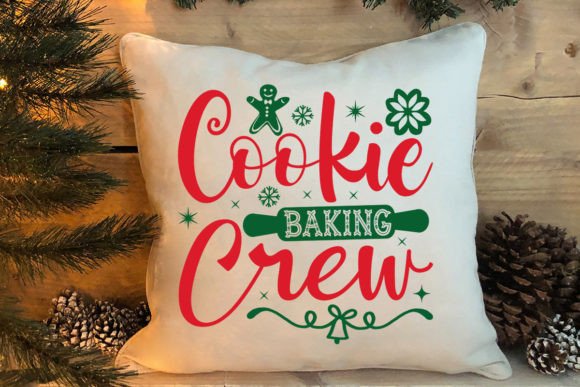
Cookie Baking Crew has an energetic, whimsical layout that feels like a snapshot from a family baking day. The main elements are clearly outlined with a mix of fill stitch areas and small detail accents. For an embroidery design, that means some beautiful satin stitch details around cookie shapes and lettering, but also potential density problems if the file wasn’t digitized with fabric behaviour in mind. The composition is balanced—not too tall or wide—making it a solid candidate for a tote bag design, a sweatshirt embroidery, or even a baby embroidery gift set if scaled down. However, the level of detail in the smaller cookie decorations and the text “baking crew” might need careful trimming when stitching on textured fabrics like fleece or thick canvas.
Real Embroidery Performance: Tote Bag Testing
I prepared a batch of custom tote bags for a holiday market using Cookie Baking Crew. The first test was on a medium-weight cotton canvas. After hooping with a cutaway stabilizer and checking the stitch density (which looked moderate in preview), the design stitched out cleanly. The satin stitch around the rolling pin and cookie shapes had good coverage, and the fill stitch areas didn’t pucker. I did notice that the smallest text elements—like the word “crew”—could be risky on darker or stretchy fabrics. For a commercial embroidery project, I’d recommend testing the design on your exact fabric type before committing to a batch.
The same design on a soft sweatshirt fleece required a heavier stabilizer and a slight reduction in stitch density manually (if your digitizing software allows). On a personalized gift like a holiday sweatshirt, the overall impression was still strong, but the smallest detail in the cookie icing lost a bit of definition. If you’re planning to sell finished items with this design, consider using a high-contrast thread palette—red, white, and warm brown work beautifully—and avoid very dark fabrics where the outlines melt into the background.
Where This Design Shines in Your Product Line
For a craft business or Etsy seller, Cookie Baking Crew fits best on items that won’t be excessively washed or handled. Think apron designs for holiday baking, pillow cover decorations, kitchen towel sets, or embroidered patch projects that can be sewn onto bags and hats. The theme is specific to Christmas, so it works wonderfully for seasonal holiday embroidery collections. I also see it as a strong candidate for printable mockup presentations—the bright, festive layout instantly communicates a homemade, heartfelt feel that customers love in handmade product listings.
The design also translates well into applique design if you are comfortable converting the main fill areas. For an embroidered patch, reducing the size slightly and using a dense satin stitch edge gives it a professional, boutique look. Avoid using it on curved surfaces like caps or hats unless you are willing to heavily edit the file—the layout is naturally flat and doesn’t follow a curve well without distortion.
Careful Use: Where Cookie Baking Crew Needs Extra Attention
I always advise crafters to watch out for three tricky spots in this design. First, the small lettering: “baking crew” in a fine thread can become muddled on stretchy fabric or if the hoop size is too small. Second, the density in the cookie patterns—if the file has many tiny fill stitch sections, you may need to reduce them or switch to running stitch outlines to avoid thread breaks. Third, the design’s overall dimensions: unless you have a known hoop size that matches the file, always preview it in your software. I found the default size worked well for a standard 4x4 hoop, but scaling up lost crispness in the details.
For baby embroidery items like bibs or onesies, I’d recommend scaling down carefully and using a very soft stabilizer. On lightweight fabrics such as thin t-shirts, use a tearaway with a light topping to prevent the stitches from distorting the weave. If you’re producing commercial embroidery for a client order, confirm the thread color contrast with a black-and-white mockup first—some of the outline details can vanish on busy fabric prints.
Practical Designer Notes Before Stitching
Before I start any project with Cookie Baking Crew, I follow a few steps. I test the machine embroidery design on scrap fabric identical to the final product. I check the stitch density in my software—if it exceeds 12,000 stitches per square inch for a medium fabric, I reduce it. I also compare thread colors: the design uses multiple colors (likely red, green, white, brown, and skin tone), so I run a printed color sheet to ensure they don’t clash in a way that lessens the visual appeal. For personalized gift orders, I always show the customer a rendered preview or a printable mockup with the exact thread colors.
Licensing is another key point. The product description mentions use for Cricut, Silhouette, mugs, stickers, and EPS 10—but if you intend to sell items with this design or distribute the digital embroidery file, you need to check the license terms. The file format for embroidery (PES, DST, etc.) may not be included; the product is described as Graphics under Crafts. Confirm with the seller whether it includes native embroidery formats or if you’ll need to convert from SVG. Many sellers provide a digital embroidery file separately. Always verify before buying if you plan to stitch it.
Final Thoughts for Small Shop Owners and Hobbyists
Cookie Baking Crew has real potential for custom apparel, boutique product lines, and holiday gift collections when handled with care. The mood is warm and inviting—customers respond well to the baking theme because it feels personal and nostalgic. As a design asset, it gives your handmade product a professional, festive look that can stand out on Etsy listings or at craft fairs. Just be prepared to test your fabric and stabilizer combos, consider scaling down for smaller items, and always respect the licensing for your own craft business.
If you’re a creative entrepreneur looking to add a quick Christmas option to your embroidery project rotation, this design is a good pick—but only if you check the file format and stitch density first. I used it for a limited batch of tote bags and got positive feedback from buyers who appreciated the detail. With a little preparation, Cookie Baking Crew can become a reliable part of your seasonal offerings.