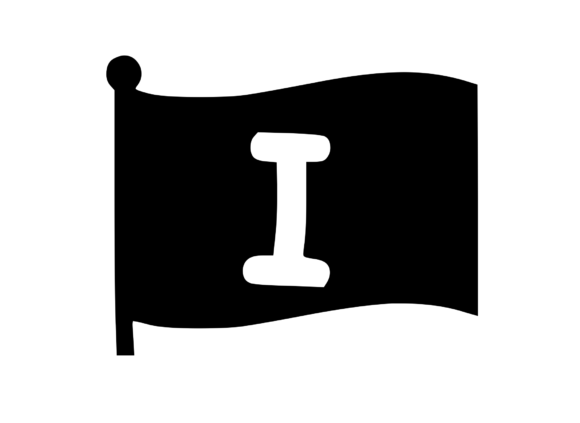
Waving Flag with Mono I
As an experienced designer and embroidery product reviewer, I’ve evaluated countless machine embroidery designs. Waving Flag with Mono I stands out for its clean, bold aesthetic and versatility across various craft projects. This SVG design is ideal for artists, small business owners, and crafters looking to add a strong visual statement to their work.
First Impressions: A Bold Statement in Simple Lines
The first thing that catches the eye about Waving Flag with Mono I is its simplicity. The design features a single, flowing flag with minimal detail, making it highly adaptable. The monochrome style gives it a modern, minimalist feel that can fit into many design themes. Its layout is balanced, with clear negative space that allows the flag to stand out without overwhelming the fabric or garment it’s applied to.
This design feels like it belongs on custom apparel, especially for projects that need a strong visual impact. It’s perfect for tote bags, sweatshirts, or even baby clothes where a subtle yet recognizable symbol is needed. The lack of intricate details makes it easy to stitch and less likely to become lost in complex fabric textures.
Real-World Use: Where Does Waving Flag with Mono I Shine?
When considering real-life embroidery situations, Waving Flag with Mono I performs well on a range of materials. It works best on smooth, flat surfaces like cotton t-shirts, tote bags, or aprons. The design’s simplicity helps maintain clarity, even when stitched onto lighter fabrics where thread visibility might otherwise be an issue.
For custom apparel, this design adds a professional touch without being too flashy. It’s great for small business merchandise, such as boutique branding or Etsy listings, where consistency and visual appeal matter. The flag shape also makes it a good choice for holiday or event-themed items, like embroidered patches or personalized gifts.
One area where it truly shines is in embroidered patches. The clean lines and limited detail make it easy to apply using applique or satin stitch techniques. It’s also suitable for decorative accents on pillow covers, tea towels, or nursery decor, where a simple, elegant design is preferred.
Where to Be Cautious: Limitations and Considerations
While Waving Flag with Mono I is versatile, there are some scenarios where it may not perform as well. On small hoop sizes, the design could feel cramped, making it harder to achieve consistent stitching. For this reason, it’s best suited for larger hoops that allow for smoother, more even stitches.
On textured or stretchy fabrics, the design might not lay flat as intended. Thin or dark fabrics can also affect how the flag appears, especially if the thread color doesn’t contrast enough. In such cases, testing the design on scrap fabric before applying it to a final project is essential.
Additionally, the design’s simplicity means it may not be the best choice for projects that require high levels of detail or intricate patterns. If you’re planning to use it on curved surfaces like caps or on layered garments, consider how the flag will look when stitched in those positions.
Impact on Visual Appeal and Customer Perception
Waving Flag with Mono I has a strong visual presence that can elevate the perceived value of a handmade product. Its clean lines and bold shape create a sense of professionalism, which is important for small shop products or Etsy listings. Customers often appreciate designs that are both aesthetically pleasing and functional.
This design also contributes to brand consistency, especially for businesses that want a recognizable emblem. Whether used on custom apparel, promotional items, or digital product previews, it maintains a cohesive look that aligns with modern design trends.
From a buyer engagement perspective, the flag’s universal symbolism makes it appealing for a wide audience. It’s a great choice for personalized gifts, such as embroidered caps or tote bags, where the design can serve as a meaningful or decorative element.
Practical Designer Notes: Testing and Preparation
Before using Waving Flag with Mono I in a client project or commercial embroidery work, I recommend testing it on different fabrics. This will help you understand how the design interacts with various textures and colors. Pay attention to stitch density—too much can cause puckering, while too little may result in a weak appearance.
Ensure the hoop size is appropriate for the design. If you're working with a small hoop, consider breaking the design into sections or adjusting the layout. Also, check whether the design works well with both light and dark fabric backgrounds, as this can affect how the flag appears.
Using the right stabilizer is crucial, especially when working with delicate or stretchy fabrics. Proper stabilizer prevents distortion and ensures the design stays in place during stitching. Finally, always confirm the licensing terms before selling finished products or digital embroidery files, as this can vary between designers and platforms.
Final Thoughts: A Reliable Choice for Creative Projects
Waving Flag with Mono I is a solid addition to any embroidery designer’s toolkit. Its clean, minimalist approach makes it suitable for a wide range of projects, from custom apparel to personalized gifts. While it has limitations in certain scenarios, its overall performance and adaptability make it a valuable asset for small business owners, crafters, and creative entrepreneurs.
If you’re looking for a machine embroidery design that’s easy to use, visually striking, and versatile, Waving Flag with Mono I is worth considering. Just remember to test it thoroughly and adjust based on your specific needs and materials.