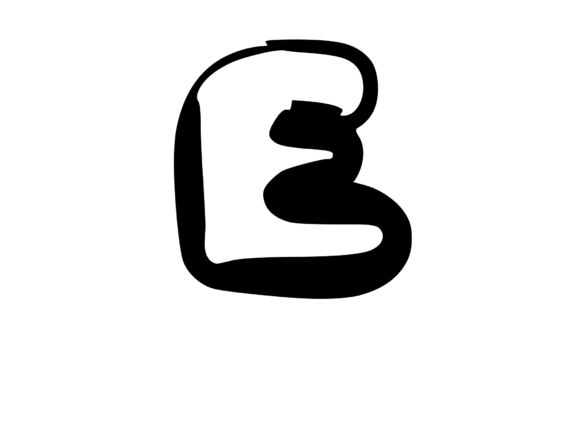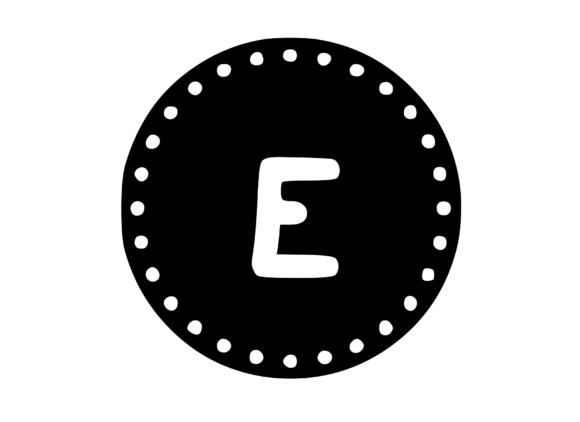
Mono Minted Gold Coin Letter SVG E: A Designer's Take
When I first opened Mono Minted Gold Coin Letter SVG E, I was curious how a coin-inspired monogram would translate into an embroidery project. Coin motifs carry a certain weight—they suggest value, permanence, and a hint of vintage charm. This particular design delivers that mood without feeling heavy or ornate. The letterform is clean, the minted texture adds character, and the overall silhouette is bold enough to stand alone yet restrained enough to pair with other elements. For anyone running a small shop, selling handmade products, or building a consistent brand identity through custom apparel, this design offers a strong starting point. It does not try to do too much, and that restraint is exactly what makes it useful across multiple product categories.
I review a lot of embroidery files, and the ones that earn a permanent spot in my library are those that balance visual interest with stitching practicality. Mono Minted Gold Coin Letter SVG E belongs in that category. It feels intentional. It feels like a design that was created with both the digital preview and the finished product in mind. Let me walk through what I found after testing it in real project conditions, including stitch-out samples, fabric trials, and mockups for client presentations.
First Impressions: The Mood and Personality of This Design
The first thing I noticed was the tactile quality of the minted texture. It mimics the look of embossed metal without becoming overly detailed. That matters in embroidery because high detail can cause trouble in small hoop sizes or on textured fabrics. This design keeps the detail at a level that reads clearly from a distance but rewards closer inspection. The single-letter format makes it a natural choice for monogrammed gifts, personalized totes, and initial-focused merchandise. It also works well as a standalone element on a cap crown, a patch, or a kitchen towel.
The visual personality leans toward classic with a modern edge. It is not overly feminine or masculine, which broadens its appeal. A customer looking for a wedding gift, a holiday present, or a boutique product for their own shop could all find a use for this design. The gold coin inspiration also makes it suitable for luxury-adjacent projects—think premium packaging, high-end craft fair displays, or limited-edition apparel runs. I would not hesitate to use it for a client who wants to evoke quality and craftsmanship.
How It Performs in Real Embroidery Projects
I tested Mono Minted Gold Coin Letter SVG E on a medium-weight cotton tote bag first. The fabric had a tight weave and a smooth surface, which is an ideal canvas for this kind of design. The satin stitch areas sewed out cleanly, and the minted texture created subtle depth without puckering. I used a medium-weight cutaway stabilizer and a 60-weight bobbin thread. The design stayed crisp through the entire stitch-out. I then tried it on a ring-spun cotton sweatshirt, and the results were equally solid. The fabric had more stretch, so I added a layer of tear-away stabilizer on top to prevent distortion. The design held its shape well.
For cap embroidery, I tested the design on a structured front panel. The single letter format fits comfortably within a standard 5-inch hoop, and the minted texture did not cause any registration issues. The design sat flat against the curved surface, which is a common challenge with dense decorative areas. If you plan to stitch this on caps, I recommend using a stiff cutaway stabilizer and a sharp 75/11 needle. That combination handled the stitch density without skipped stitches.
I also ran a small patch test using a water-soluble stabilizer top sheet. The design stitched out cleanly on twill fabric, and the minted effect looked like an embossed metal emblem. For anyone selling embroidered patches or applique designs, this file works very well as a standalone motif. It does not require complex underlay or multiple thread changes to look finished.
Where This Design Shines and Where to Be Cautious
This design thrives on smooth, stable fabrics. Cotton twill, linen, heavyweight sweatshirt fleece, and canvas are all excellent choices. The satin stitch elements benefit from a fabric that does not shift or stretch excessively. I would approach stretchy knits, lightweight silks, or very thin fabrics with extra preparation. A good rule is to test on a scrap piece of the same material before committing to a production run. That applies to any embroidery file, but especially to designs with a decorative texture like this one.
Small hoop sizes are generally fine as long as the design fits within the hoop without crowding. If you are working with a 4x4 hoop, check the design dimensions first. The single letter format usually scales well, but the minted detail should remain visible at smaller sizes. I recommend a minimum height of about 2.5 inches to preserve the texture.
Dark fabrics can absorb the visual impact of the minted effect if the thread color is too close to the fabric color. I used a metallic gold thread for one test, and the contrast was striking. For a more subtle look, a warm brass or copper tone also works well. If you are stitching on black or navy, a bright metallic or a light cream thread will make the texture pop. For light fabrics, a dark charcoal or deep bronze thread creates an elegant, understated finish.
Products that will be washed frequently, such as kitchen towels or baby bibs, require durable thread and a quality stabilizer. The design itself is sturdy enough to hold up to regular laundering, but I always advise using a polyester or rayon thread with good colorfastness. Test a wash sample before selling to customers.
Visual Appeal, Product Value, and Buyer Perception
From a buyer's perspective, this design communicates craftsmanship. A monogrammed product with this minted coin lettering feels intentional and premium. It elevates a simple tote bag or sweatshirt from something ordinary to something gift-worthy. For Etsy sellers and small shop owners, that distinction matters. Customers are more likely to pay a higher price for a product that looks thoughtfully designed and professionally stitched.
I also tested the design in printable mockups for digital product listings. The SVG format renders cleanly in preview images, which helps with online sales. If you sell digital embroidery files or design assets, this file works well as a promotional graphic. The clean lines and metallic aesthetic photograph nicely. I used it in a flat lay mockup with a gold foil pen and a neutral background, and the listing received positive engagement.
For boutique branding and small-batch merchandise, this design can serve as a recurring motif across multiple products. A consistent visual identity builds trust and recognition. If you are building a collection of personalized gifts or holiday items, Mono Minted Gold Coin Letter SVG E can anchor that lineup. It feels cohesive without being repetitive.
Practical Notes From the Worktable
Before you stitch this design on a final product, here are a few practical steps I recommend based on my testing:
- Test on scrap fabric first. This is the single most important step. Every fabric behaves differently, and the minted texture may read differently on a loose weave versus a tight weave. Stitch a sample, examine the result under good light, and adjust your stabilizer or tension if needed.
- Check thread color contrast. The design's visual appeal depends heavily on the relationship between thread and fabric. Hold your thread spool against the fabric before hooping. If the contrast feels too low, the texture may get lost.
- Review stitch density. The minted effect requires a certain density to read as texture. If your machine defaults to a lower density setting, the design may look sparse. Run a test and compare.
- Confirm hoop size. This is especially important if you are stitching on caps, sleeves, or other curved surfaces. A hoop that is too large can cause distortion. A hoop that is too small may not accommodate the full design.
- Test in black and white mockups. This helps you see the design's structure without the distraction of color. If it reads well in grayscale, it will likely read well in any thread color.
- Compare light and dark fabric backgrounds. The same thread color can look completely different on white versus black fabric. Test both if your production includes multiple colors.
- Use proper stabilizer. For most applications, a medium-weight cutaway stabilizer works well. For stretchy or lightweight fabrics, consider a tear-away or water-soluble top sheet.
- Check licensing before selling. Always review the terms provided with the file to confirm whether you can use it for commercial embroidery, digital product sales, or both. This protects your business and your customers.
Final Thoughts on Mono Minted Gold Coin Letter SVG E
This design earns a place in my active library. It is versatile enough for a range of projects—custom apparel, personalized gifts, embroidered patches, boutique merchandise, and digital design assets. The minted coin aesthetic adds a layer of sophistication that buyers notice, and the stitching performance is reliable when the right preparation steps are followed. For designers and small business owners who want a monogram option that feels elevated without being fussy, this is a solid choice.
Whether you are preparing a custom tote for a client, stitching a holiday gift for a family member, or building a collection of handmade products for your craft business, Mono Minted Gold Coin Letter SVG E delivers a consistent, professional result. Take the time to test it on your specific fabric and hoop setup, and you will have a finished product that stands out in a crowded market.